The Gut–Brain Connection: How Anxiety Affects Your Digestive Health
Anxiety is more than a mental health condition; it is closely linked to your digestive system. Emerging research shows that your gut and brain communicate constantly via the gut-brain axis, and disturbances in the gut can contribute to anxiety, while anxiety itself can worsen gut function.
This article explores how anxiety comes from your gut, how it affects digestion, and practical strategies to improve gut-brain health.
Understanding the Gut–Brain Axis
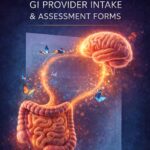
The gut–brain axis is a complex, bidirectional communication system that links the central nervous system (CNS) with the gastrointestinal (GI) tract.
This connection allows the brain to influence digestive processes and, in turn, enables the gut to send signals that affect mood, stress levels, and overall mental well‑being.
Scientists now recognize the gut as a key player in emotional regulation, immune function, and even cognitive performance.
Key components of the gut–brain axis include:
-
Nervous system signaling:
The vagus nerve is the primary communication highway between the gut and the brain.
It transmits sensory information—such as fullness, discomfort, or inflammation—from the digestive tract to the brain.
When functioning well, this pathway helps regulate digestion, stress responses, and emotional balance.
When disrupted, it can contribute to symptoms like nausea, bloating, or heightened anxiety. -
Microbiome activity:
The gut microbiome—trillions of bacteria, fungi, and microbes—plays a major role in producing neurotransmitters and signaling molecules.
Certain gut bacteria help synthesize serotonin, dopamine, and GABA, all of which influence mood, sleep, and stress resilience.
An imbalanced microbiome (dysbiosis) can reduce these beneficial compounds, potentially contributing to anxiety, low mood, or digestive discomfort. -
Immune signaling:
About 70% of the body’s immune system resides in the gut.
When the gut lining becomes irritated or inflamed, immune cells release cytokines—chemical messengers that can influence brain function.
Chronic low‑grade inflammation has been associated with increased anxiety, fatigue, and cognitive fog.
This makes gut health a crucial factor in managing both mental and physical well‑being.
Research increasingly shows that disruptions in the gut microbiome are linked to higher rates of anxiety, depression, and stress‑related disorders.
Supporting gut health through diet, stress management, and lifestyle habits may help improve emotional balance and digestive comfort.
(NCBI – Gut microbiota and anxiety)
How Anxiety Affects the Gut
Anxiety has a powerful influence on the digestive system due to the close connection between the brain and the gut.
When the body enters a state of stress or heightened alertness, the nervous system shifts into “fight or flight” mode.
This response alters gut motility, hormone levels, and microbial balance, often leading to noticeable digestive symptoms.
For many people, anxiety and gut discomfort reinforce each other, creating a cycle of stress and digestive upset.
Key ways anxiety impacts digestive health:
-
Increased gut motility:
During periods of anxiety, the body releases stress hormones such as adrenaline and cortisol.
These chemicals can speed up intestinal contractions, pushing food through the digestive tract too quickly.
As a result, nutrients may not be fully absorbed, and loose stools or diarrhea can occur.
This is why many people experience urgent bowel movements during stressful events. -
Delayed gastric emptying:
While anxiety can speed up the intestines, it can also slow down the stomach.
Stress diverts blood flow away from the digestive organs, causing food to remain in the stomach longer.
This delay can lead to bloating, nausea, early fullness, indigestion, and constipation.
Individuals with chronic stress often report alternating diarrhea and constipation due to these mixed motility effects. -
Changes in gut microbiota:
Chronic anxiety can disrupt the balance of beneficial bacteria in the gut.
Stress hormones influence microbial diversity, reducing populations of helpful bacteria and allowing gas‑producing or inflammatory species to thrive.
This imbalance—known as dysbiosis—can worsen bloating, gas, abdominal pain, and overall digestive sensitivity.
A disrupted microbiome may also impair the production of neurotransmitters like serotonin, further affecting mood. -
Heightened visceral sensitivity:
Anxiety increases the brain’s perception of gut sensations.
This means normal digestive activity—such as gas moving through the intestines—may feel painful or overly intense.
This heightened sensitivity is a hallmark of conditions like IBS, where the gut becomes more reactive to stress, certain foods, or hormonal changes.
These combined effects explain why individuals with anxiety frequently experience
IBS symptoms
such as cramping, bloating, irregular bowel movements, and abdominal discomfort.
Managing anxiety through lifestyle changes, stress‑reduction techniques, and supportive habits can significantly improve digestive well‑being.
How the Gut Can Cause Anxiety
Just as the brain can influence digestion, the gut can also send powerful signals back to the brain that affect mood, stress levels, and emotional well‑being.
When the gut environment becomes imbalanced or inflamed, these disturbances can disrupt the gut–brain axis and contribute to anxiety.
This connection helps explain why many people with digestive issues also experience mood changes, irritability, or heightened stress responses.
Key gut-related factors that can trigger or worsen anxiety:
-
Dysbiosis:
Dysbiosis refers to an imbalance in the gut microbiota—when harmful bacteria outnumber beneficial ones.
Because certain gut bacteria help produce neurotransmitters like serotonin and GABA, an imbalance can reduce the availability of these mood‑regulating chemicals.
Lower serotonin levels are associated with increased anxiety, irritability, and emotional instability.
Dysbiosis can also increase inflammation, which further disrupts communication along the gut–brain axis. -
Leaky gut (increased intestinal permeability):
When the gut lining becomes compromised, partially digested food particles and toxins can pass into the bloodstream.
This triggers an immune response and systemic inflammation, which can influence brain function and mood regulation.
Chronic inflammation has been linked to anxiety, fatigue, and cognitive fog.
A healthy gut barrier is essential for maintaining stable mood and reducing stress sensitivity. -
Nutrient deficiencies:
Poor digestion or malabsorption can lead to deficiencies in key nutrients that support mental health.
These include:- Magnesium – supports relaxation and nervous system balance
- B‑vitamins – essential for neurotransmitter production and energy metabolism
- Zinc – involved in stress regulation and immune function
- Omega‑3 fatty acids – support brain health and reduce inflammation
When the gut cannot properly absorb these nutrients, anxiety symptoms may intensify.
Research suggests that improving gut health—through diet, probiotics, and lifestyle changes—can reduce anxiety symptoms and improve emotional resilience
(NCBI – Probiotics and anxiety).
Strategies to Improve Gut–Brain Health
Supporting the gut–brain axis requires a holistic approach that nurtures both digestive function and emotional well‑being.
The following strategies help strengthen gut health, balance the microbiome, and reduce stress signals that contribute to anxiety.
1. Support Gut Microbiota
-
Consume probiotics:
Foods like yogurt, kefir, sauerkraut, kimchi, miso, and kombucha introduce beneficial bacteria that support gut balance and neurotransmitter production. -
Include prebiotic foods:
Garlic, onions, asparagus, oats, bananas, and legumes feed beneficial bacteria and help them thrive. -
Consider evidence‑based probiotic supplements:
Certain strains—such as Lactobacillus rhamnosus and Bifidobacterium longum—have been studied for their calming effects on the nervous system.
Always seek professional guidance when choosing supplements. -
Learn more in our guide on
gut health supplements.
2. Reduce Stress and Anxiety
-
Meditation, deep breathing, or yoga:
These practices activate the parasympathetic nervous system (“rest and digest”), reducing stress hormones that disrupt digestion. -
Mindfulness practices:
Being present during meals and daily activities helps regulate emotional responses to gut discomfort and reduces anxiety-driven digestive symptoms. -
Explore routines in our
stress reduction and meditation guide.
3. Optimize Diet
-
Follow a gut-friendly diet:
Emphasize fiber-rich vegetables, fruits, whole grains, lean proteins, and healthy fats to support digestion and microbial diversity. -
Reduce processed foods and excess sugar:
These can promote inflammation and feed harmful gut bacteria. -
Eat small, frequent meals:
This helps stabilize blood sugar, reduce digestive strain, and prevent anxiety-induced gut upset.
4. Prioritize Sleep
-
Sleep affects both anxiety and digestion:
Poor sleep increases stress hormones and disrupts gut motility, worsening both anxiety and digestive symptoms. -
Aim for 7–9 hours of quality sleep:
Use sleep positions and habits that minimize acid reflux and support gut comfort
(see sleeping positions guide).
5. Regular Exercise
-
Moderate physical activity:
Exercise improves gut motility, reduces inflammation, and lowers stress hormones like cortisol. -
Daily movement:
Even a 20‑minute walk can enhance mood, support digestion, and strengthen the gut–brain connection.
When to Seek Professional Help
While many gut–brain symptoms can be managed through lifestyle changes, diet adjustments, and stress‑reduction techniques, there are times when professional evaluation is essential. Persistent or severe symptoms may indicate an underlying condition that requires medical assessment. Early intervention can prevent complications, ensure accurate diagnosis, and provide access to targeted treatment options.
Consult a healthcare provider if you experience:
-
Severe, persistent, or worsening anxiety or digestive symptoms:
Ongoing symptoms may signal conditions such as IBS, IBD, chronic dysbiosis, or anxiety disorders that benefit from professional care. -
Unexplained weight loss:
Sudden or unintentional weight loss can indicate malabsorption, chronic inflammation, or other medical issues that require prompt evaluation. -
Blood in stool or black, tarry stools:
These symptoms may suggest gastrointestinal bleeding and should be assessed immediately by a healthcare professional. -
Severe or persistent abdominal pain:
Intense pain, especially when accompanied by fever, vomiting, or changes in bowel habits, may indicate a more serious digestive condition. -
Difficulty eating or swallowing:
These symptoms can be related to esophageal issues, reflux complications, or anxiety-related swallowing disorders. -
Need for guidance on diet, supplements, or mental health interventions:
A registered dietitian, gastroenterologist, or mental health professional can help tailor a plan that supports both digestive and emotional well‑being.
For individuals experiencing both digestive discomfort and anxiety, a combined approach is often most effective.
Working with a gastroenterologist can help identify and manage gut-related conditions, while a mental health professional can address anxiety, stress, and emotional triggers that influence gut function.
This integrated care model supports long‑term gut–brain wellness.
Medical Disclaimer
This article is for educational purposes only and is not a substitute for professional medical advice, diagnosis, or treatment.
Always consult a qualified healthcare provider regarding any questions or concerns about digestive or mental health conditions.
Never disregard professional advice or delay seeking care because of information you have read here.
Conclusion
The gut–brain connection highlights the powerful relationship between emotional health and digestive function. Imbalances in gut microbiota, inflammation, and nutrient deficiencies can contribute to anxiety, while stress and anxiety can disrupt digestion, creating a cycle of discomfort. By supporting gut health through probiotics, prebiotics, a balanced diet, stress‑reduction practices, quality sleep, and regular exercise, you can strengthen both digestive and mental well‑being. Small, consistent changes can lead to meaningful improvements in how you feel—both in your gut and your mind.
Explore additional resources at The Greater Gut: IBS symptoms and causes, foods for bloating, diarrhea management, stress reduction and meditation, and gut health supplements, gut-healthy foods.