Meditation and Stress-Reduction Techniques to Improve Gut Health
Stress and anxiety have a powerful impact on digestive function, especially for individuals managing Irritable Bowel Syndrome. Because the gut–brain connection plays such a central role in IBS, emotional tension can disrupt gut motility, increase inflammation, and heighten sensitivity throughout the digestive tract. These disruptions often lead to bloating, diarrhea, constipation, abdominal cramping, and more frequent IBS flare‑ups. Meditation and stress‑reduction practices help regulate this communication system, calm the nervous system, and create a more stable environment for digestion.
The gut–brain axis is a complex network that links emotional states to gastrointestinal responses, making stress management essential for anyone living with IBS. When stress levels rise, the nervous system shifts into a heightened state that can intensify digestive symptoms and reduce overall gut resilience. Meditation, breathwork, and relaxation techniques help counteract these effects by lowering stress hormones and improving nervous system balance. These practices also complement movement‑based strategies such as those discussed in Exercise and IBS, creating a more holistic approach to symptom relief.
This expanded guide explores the science behind the gut–brain connection and explains how stress influences the gastrointestinal tract in people with IBS. It also provides practical, evidence‑based techniques that can be incorporated into daily routines to support long‑term digestive wellness. By integrating meditation, mindful breathing, and other stress‑reduction tools, individuals can strengthen their gut health and reduce the frequency of IBS flare‑ups. With consistent practice, these strategies help create a calmer internal environment that supports more predictable and comfortable digestion.
The Gut–Brain Connection Explained
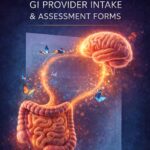
The gut–brain axis is a complex, bidirectional communication network linking the central nervous system (the brain and spinal cord) with the enteric nervous system (the “second brain” within the gut). This system uses neural pathways, hormones, immune signals, and even gut bacteria to send messages back and forth. When stress levels rise, this communication becomes disrupted, directly affecting digestion.
Here’s how stress impacts the gut through this interconnected system:
-
Increased intestinal motility:
Stress activates the sympathetic nervous system (“fight‑or‑flight”), which can speed up intestinal contractions. This may lead to diarrhea, urgency, or loose stools—common symptoms during anxiety spikes. -
Slowed digestion:
In some individuals, stress has the opposite effect. Blood flow is diverted away from the digestive tract, slowing motility and causing constipation, incomplete evacuation, or a heavy, sluggish feeling after meals. -
Altered gut microbiota:
Chronic stress can shift the balance of gut bacteria, reducing beneficial strains and allowing inflammatory microbes to thrive. These changes may increase gas production, bloating, and intestinal inflammation. -
Heightened pain sensitivity:
Stress can amplify the brain’s perception of gut sensations, making normal digestive processes feel painful. This is known as visceral hypersensitivity and is a hallmark of IBS.
Understanding the gut–brain axis helps explain why stress management is essential for digestive health. When the nervous system is calm, digestion becomes more efficient, inflammation decreases, and the microbiome becomes more balanced.
Learn more about the gut–brain axis.
How Stress Impacts Digestion
Stress is not just an emotional experience—it produces measurable physiological changes throughout the body, especially in the gastrointestinal (GI) tract. The gut is highly sensitive to hormonal shifts, nervous system activation, and inflammatory signals triggered by chronic stress. When stress becomes persistent, it can disrupt nearly every stage of digestion, from motility to nutrient absorption.
Here are the major ways chronic stress and anxiety influence digestive function:
-
Triggering cortisol release, which alters gut motility and microbial balance:
When the body perceives stress, it releases cortisol and adrenaline. These hormones shift the body into “fight‑or‑flight” mode, redirecting blood flow away from the digestive system. This can speed up motility (leading to diarrhea) or slow it down (causing constipation). Cortisol also affects the gut microbiome, reducing beneficial bacteria and allowing inflammatory species to thrive. -
Increasing intestinal permeability (“leaky gut”) and inflammation:
Stress weakens the tight junctions that keep the intestinal barrier sealed. When these junctions loosen, partially digested food particles and bacterial fragments can pass into the bloodstream, triggering immune responses and inflammation. This process may worsen bloating, pain, and food sensitivities. -
Exacerbating IBS and other digestive disorders:
Stress is one of the most common triggers for IBS flare‑ups. It heightens visceral sensitivity (making normal gut sensations feel painful), disrupts motility, and increases inflammation. For individuals with existing digestive disorders, stress can intensify symptoms and prolong recovery time. -
Reducing nutrient absorption and overall digestive efficiency:
Chronic stress slows stomach emptying, reduces digestive enzyme production, and alters bile flow. These changes impair the breakdown and absorption of nutrients, potentially contributing to fatigue, nutrient deficiencies, and irregular bowel habits.
For more information on stress and gut health, see
NIDDK – IBS and Stress
.
Evidence-Based Stress-Reduction Techniques for Gut Health
Stress‑reduction practices help regulate the gut–brain axis, calm the nervous system, and restore digestive balance. These techniques are supported by research and widely used in IBS and functional GI disorder management.
1. Mindfulness Meditation
Mindfulness meditation trains the mind to observe thoughts, emotions, and physical sensations without reacting to them. This reduces the body’s stress response and helps interrupt the cycle where anxiety worsens gut symptoms and gut symptoms increase anxiety.
Research shows that mindfulness can:
- Lower cortisol levels and reduce sympathetic nervous system activation
- Decrease gut hyperactivity and improve motility patterns
- Reduce visceral hypersensitivity, making bloating and cramping less intense
- Improve emotional resilience and reduce IBS‑related anxiety
How to practice mindfulness for gut health:
- Start with 5–10 minutes per day: Focus on your breath, noticing the rise and fall of your abdomen.
- Use body‑scan meditation: Slowly bring awareness to different parts of the body, especially the abdomen, without judgment.
- Increase to 20–30 minutes: Longer sessions deepen relaxation and help retrain the gut–brain axis.
- Practice consistently: Daily practice produces the strongest benefits for digestion and stress regulation.
- Reference:
Mindfulness-Based Interventions for IBS
Mindfulness is accessible, free, and adaptable—making it one of the most effective long‑term strategies for improving gut health.
2. Guided Relaxation and Deep Breathing
Guided relaxation and deep diaphragmatic breathing are powerful tools for calming the nervous system and improving digestive function. When practiced consistently, these techniques activate the parasympathetic nervous system—the body’s “rest and digest” mode—which counteracts the stress-driven fight‑or‑flight response that often worsens IBS symptoms.
Deep breathing influences digestion in several ways:
- Reduces cortisol and adrenaline: Lower stress hormones help normalize gut motility and reduce spasms.
- Improves vagus nerve tone: The vagus nerve plays a key role in regulating digestion; deep breathing strengthens this pathway.
- Relaxes abdominal muscles: Tension in the diaphragm and abdominal wall can worsen bloating and discomfort.
- Enhances oxygen flow: Better oxygenation supports digestive organ function and reduces fatigue.
How to practice deep breathing:
- Inhale slowly through the nose for 4 seconds, expanding the belly.
- Hold the breath gently for 4 seconds.
- Exhale through the mouth for 6–8 seconds, allowing the abdomen to soften.
- Repeat for 5–10 minutes daily, especially before meals or during stress spikes.
- Reference:
Diaphragmatic Breathing for Stress Reduction
3. Yoga for Digestion
Yoga combines gentle movement, breathwork, and mindfulness—three elements that directly support digestive health. Research shows that yoga can reduce IBS symptoms by improving motility, lowering stress hormones, and reducing visceral hypersensitivity (the heightened pain response common in IBS).
How yoga supports digestion:
- Stimulates abdominal organs: Twisting and compressing movements massage the intestines and promote peristalsis.
- Improves circulation: Increased blood flow supports nutrient absorption and gut repair.
- Reduces stress: Yoga lowers cortisol and activates the parasympathetic nervous system.
- Enhances breath control: Deep breathing during yoga reduces bloating and abdominal tension.
Helpful yoga poses for gut health:
- Twists: Seated spinal twist, supine twist — help relieve bloating and gas.
- Forward folds: Standing or seated forward fold — calm the nervous system and relax gut muscles.
- Gentle flows: Cat‑cow, child’s pose, and bridge pose — support motility and reduce IBS flare-ups.
- Reference:
Yoga for IBS
4. Progressive Muscle Relaxation (PMR)
Progressive Muscle Relaxation is a structured technique that reduces physical tension and helps calm the nervous system. Because stress often causes tightening of the abdominal muscles and diaphragm, PMR can indirectly relieve digestive discomfort and bloating.
How PMR benefits digestion:
- Releases stored tension: Stress causes muscles to contract, including those around the gut.
- Improves body awareness: Helps identify where stress is held physically.
- Reduces sympathetic activation: Shifts the body toward a calmer state that supports digestion.
- Supports flare-up management: PMR can be used during IBS episodes to reduce pain intensity.
How to practice PMR:
- Start at the feet and work upward, or begin at the head and move downward.
- Tense each muscle group for 5–7 seconds.
- Release the tension and focus on the sensation of relaxation for 10–15 seconds.
- Repeat daily or during periods of heightened stress.
- Reference:
Progressive Muscle Relaxation for Stress and GI Disorders
5. Cognitive Behavioral Therapy (CBT)
Cognitive Behavioral Therapy is one of the most effective psychological treatments for IBS. It focuses on the connection between thoughts, emotions, and physical sensations—making it particularly useful for conditions influenced by the gut–brain axis.
How CBT helps IBS:
- Reduces symptom-related anxiety: Many IBS flare-ups are triggered or worsened by fear of symptoms.
- Reframes stress responses: CBT teaches healthier ways to respond to stressors that impact digestion.
- Improves coping strategies: Helps patients manage flare-ups with more confidence and less distress.
- Improves bowel habits: Studies show CBT can reduce diarrhea, constipation, and abdominal pain.
What CBT sessions may include:
- Identifying negative thought patterns related to symptoms
- Learning relaxation and grounding techniques
- Developing personalized coping strategies
- Gradual exposure to feared situations (e.g., eating out, traveling)
- Reference:
CBT for IBS
Integrating Stress-Reduction Into Daily Life
Stress‑reduction practices are most effective when they become part of your daily routine rather than occasional activities. Because the gut–brain axis responds to consistent nervous system regulation, small daily habits can create long‑term improvements in digestion, motility, and symptom stability. Integrating these techniques into everyday life helps retrain the body’s stress response, making the digestive system more resilient to triggers.
Here are practical, research‑supported ways to incorporate stress‑reduction into your lifestyle:
-
Schedule daily meditation or deep‑breathing sessions:
Consistency is more important than duration. Even 5–10 minutes of mindfulness or diaphragmatic breathing can lower cortisol levels and activate the parasympathetic nervous system. Many people find it helpful to meditate at the same time each day—such as first thing in the morning or before bed—to build a reliable habit. -
Use mobile apps for guided meditation and yoga:
Apps like Headspace, Calm, Insight Timer, and Down Dog offer structured programs designed for stress, anxiety, and digestive discomfort. These tools provide accountability, variety, and beginner‑friendly guidance, making it easier to stay consistent. -
Combine stress‑reduction with meal times:
Practicing deep breathing or mindfulness before eating helps shift the body into “rest and digest” mode. This can improve stomach emptying, reduce bloating, and support smoother digestion. Even one minute of slow breathing before meals can make a noticeable difference. -
Track symptoms alongside stress levels:
Recording stress levels, emotional triggers, and digestive symptoms helps identify patterns. Many IBS flare‑ups are linked to stressful events, poor sleep, or emotional tension. Tracking these connections empowers you to intervene earlier and adjust your routine proactively. -
Participate in community yoga or mindfulness groups:
Group settings provide motivation, structure, and social support. Community classes can also help reduce feelings of isolation, which is common among individuals with chronic digestive issues.
Combining multiple strategies—such as meditation, yoga, and breathing exercises—often produces the most significant improvements in gut health and IBS symptom reduction.
Additional Lifestyle Factors to Support Gut Health
Stress‑reduction works best when paired with other foundational lifestyle habits that support digestive function. These habits help regulate motility, balance the microbiome, and strengthen the gut barrier.
-
Regular exercise:
Physical activity stimulates peristalsis, reduces stress hormones, and increases microbial diversity. Even low‑impact activities like walking, swimming, or gentle cycling can improve bowel regularity and reduce bloating. -
Quality sleep:
Sleep is essential for hormone regulation, immune function, and microbiome balance. Poor sleep increases cortisol and inflammation, which can worsen IBS symptoms. Aim for 7–9 hours of consistent, restorative sleep each night. -
Balanced diet with fiber, probiotics, and gut‑friendly foods:
A nutrient‑dense diet supports microbial diversity, reduces inflammation, and improves stool consistency. Soluble fiber, fermented foods, and prebiotics nourish beneficial bacteria.
See our gut‑healthy foods guide. -
Hydration:
Adequate water intake helps maintain smooth digestion, prevent constipation, and support nutrient absorption. Hydration is especially important for individuals increasing fiber intake.
When combined with stress‑reduction practices, these lifestyle habits create a strong foundation for long‑term digestive health.
When to Seek Professional Help
While stress‑management and lifestyle changes can significantly improve gut health, persistent or worsening symptoms may require professional evaluation. IBS and other digestive disorders can overlap with conditions that need medical attention.
Consult a healthcare provider if you experience:
-
Gastroenterologist:
For diagnosis, testing, and medical management. They can rule out conditions such as celiac disease, inflammatory bowel disease, or infections.
Mayo Clinic IBS Treatment -
Registered dietitian:
For personalized meal planning, trigger identification, and guidance on structured diets like low‑FODMAP. -
Mental health professional:
For CBT, gut‑directed hypnotherapy, or stress‑management strategies that support the gut–brain axis.
Early intervention helps prevent worsening symptoms and improves long‑term quality of life.
Medical Disclaimer
This article is for educational purposes only and does not replace professional medical advice. Always consult a qualified healthcare provider for diagnosis or treatment.
Conclusion
Meditation and stress‑reducing activities are powerful tools for supporting digestive health. Because the gut–brain connection plays a central role in IBS and other functional GI disorders, calming the nervous system can lead to meaningful improvements in motility, inflammation, and symptom severity. By integrating mindfulness, deep breathing, yoga, progressive muscle relaxation, and CBT into daily routines—and pairing them with healthy lifestyle habits—individuals can create a comprehensive, sustainable approach to improving both mental and digestive well‑being.
For additional guidance on digestive wellness, explore related articles at The Greater Gut: IBS symptoms and causes, foods for bloating, diarrhea management, and gut-healthy foods.