IBS Flare Prevention: How to Minimize Symptoms and Stay in Control
Irritable bowel syndrome (IBS) flare-ups can be sudden, disruptive, and uncomfortable. Whether you experience diarrhea-predominant IBS (IBS-D), constipation-predominant IBS (IBS-C), or mixed-type IBS, learning how to prevent flares is essential for improving your quality of life.
This comprehensive guide provides evidence-based strategies to reduce flare frequency and intensity, covering diet, lifestyle, stress management, supplements, and professional interventions.
Understanding IBS Flare-Ups
An IBS flare is a period when symptoms intensify beyond your baseline, often triggered by food, stress, hormonal changes, sleep disruption, or microbiome imbalance. Common symptoms include:
- Abdominal pain or cramping
- Bloating and gas
- Diarrhea, constipation, or alternating bowel movements
- Mucus in stool, urgency, or incomplete evacuation
- Fatigue, nausea, or headaches
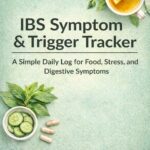
Recognizing triggers early is key to prevention. Maintaining a symptom and food journal helps identify patterns and reduce future flares.
For more on IBS symptoms, see:
IBS Symptoms and Causes
.
Top Strategies for Preventing IBS Flares
1. Personalized Diet Planning
Dietary triggers are one of the most common causes of IBS flares. Strategies include:
- Low-FODMAP diet to reduce fermentation, gas, and bloating
- Smaller, frequent meals to prevent overloading the digestive system
- Limiting high-fat, spicy, or processed foods that irritate the gut lining
- Staying hydrated with water and herbal teas (Heather’s Tummy Tamers Peppermint Tea)
For more guidance on food choices:
Great Foods for Bloating
and
How to Eat Better for Better Gut Health
.
2. Stress Management Techniques
Stress is a major flare trigger. Strategies to reduce stress include:
- Mindfulness meditation or deep breathing exercises
- Gut-directed CBT to manage anxiety and flare anticipation
- Yoga or Pilates to relax abdominal muscles and improve motility
- Consistent sleep schedule (see IBS and Sleep)
3. Regular Exercise
Moderate physical activity improves bowel motility, reduces stress hormones, and promotes microbiome balance. Recommended routines include walking, swimming, and yoga.
4. Supplements to Support Gut Health
- Peppermint oil to relax intestinal muscles (Heather’s Tummy Tamers)
- Probiotics to restore microbiome balance (Align Probiotic, Garden of Life Probiotics)
- Soluble fiber supplements like psyllium for IBS-C
- Digestive enzymes to reduce FODMAP fermentation
5. Hydration and Bowel Regularity
Proper hydration softens stools and reduces constipation-related flares. Electrolyte-rich fluids can help maintain balance during IBS-D episodes.
6. Mindful Eating Habits
- Chew food thoroughly to aid digestion
- Eat slowly to reduce swallowed air and bloating
- Track food triggers and avoid known flare-inducing foods
Lifestyle Tweaks to Minimize IBS Flare-Ups
- Maintain consistent meal times to regulate the gut’s circadian rhythm
- Limit caffeine, alcohol, and artificial sweeteners
- Sleep 7–9 hours per night to reduce stress and visceral sensitivity
- Keep a symptom journal to identify triggers and track improvement
Medications and Professional Interventions
For persistent or severe flares, consult a gastroenterologist who may recommend:
- Antispasmodics for cramping (e.g., pinaverium, dicyclomine)
- Osmotic laxatives or anti-diarrheal agents based on IBS subtype
- Low-dose antidepressants for pain modulation and stress
- Targeted antibiotics if SIBO (small intestinal bacterial overgrowth) is suspected
- Referral to therapy or gut-directed hypnotherapy
Monitoring and Tracking Your Progress
Keeping track of diet, sleep, stress, and symptoms allows for a data-driven approach to flare prevention. Apps and journals can help you identify patterns and optimize interventions.
Tools to consider:
- MySymptoms or Bowelle app for tracking food and symptoms
- Sleep trackers to monitor rest and its effect on IBS
- Mindfulness apps to manage stress and flare triggers
Red Flags: When to See a Doctor
Seek professional help immediately if you experience:
- Blood in stool or unexplained weight loss
- Severe abdominal pain unresponsive to lifestyle changes
- Persistent nausea, vomiting, or dehydration
- Symptoms affecting daily function or mental health
Frequently Asked Questions About IBS Flare Prevention
Can stress management really prevent IBS flare-ups?
Yes, reducing stress lowers cortisol levels, reduces gut sensitivity, and decreases flare frequency.
Are supplements necessary for flare prevention?
Supplements like probiotics, peppermint oil, and soluble fiber can help, but lifestyle and diet changes are essential for long-term management.
Is the low-FODMAP diet the only solution?
Not necessarily. Personalized dietary adjustments, meal timing, and moderation work best alongside other lifestyle strategies.
How long does it take to see results from preventive strategies?
Some relief may be noticeable in days, but consistent lifestyle and dietary changes usually show full benefits over weeks to months.
Conclusion: Take Charge of Your IBS
Preventing IBS flare-ups is possible through a combination of diet, lifestyle changes, stress management, and targeted supplements. By tracking triggers, maintaining healthy routines, and seeking professional support when needed, you can minimize discomfort, regain confidence, and live well with IBS.
For additional guidance, see:
IBS Symptoms and Causes
,
Great Foods for Bloating
, and
Understanding Diarrhea
.
Medical Disclaimer:
This content is for educational purposes only and is not a substitute for professional medical advice. Consult a qualified healthcare provider if you have IBS symptoms, persistent flares, or before starting supplements or new therapies.