IBS and Mental Health: How Anxiety, Depression, and Stress Affect Your Gut
Irritable bowel syndrome (IBS) is not just a digestive disorder—it’s a condition deeply intertwined with mental health. Anxiety, depression, and chronic stress can amplify IBS symptoms, triggering bloating, diarrhea, constipation, abdominal pain, and flare-ups.
This comprehensive guide explores the gut-brain connection, highlights the role of mental health in IBS, and provides actionable strategies to manage symptoms using diet, lifestyle, supplements, and professional therapies.
The Gut-Brain Connection Explained
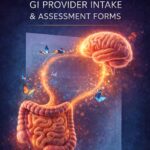
The gut and brain communicate through the gut-brain axis, a network of nerves, hormones, and biochemical signals. Stress and mental health conditions like anxiety and depression can disrupt this communication, affecting digestion, bowel motility, and gut sensitivity.
Research shows that people with IBS have heightened visceral sensitivity, meaning their intestines react strongly to stimuli such as gas or stretching. Stress hormones like cortisol can increase gut permeability, inflammation, and microbial imbalance, worsening IBS symptoms.
For a more detailed look at how the gut and brain interact, see:
The Gut-Brain Connection: How Digestive Health Affects Mood, Anxiety, and IBS
.
How Mental Health Influences IBS Symptoms
- Anxiety: Heightens gut sensitivity and triggers diarrhea-predominant IBS (IBS-D) flare-ups.
- Depression: Slows gut motility, contributing to constipation-predominant IBS (IBS-C).
- Stress: Increases bloating, abdominal pain, and gas by stimulating cortisol and adrenaline release.
- Sleep disruption: Poor rest worsens both mental health and IBS symptoms.
If you experience anxiety or depression alongside IBS, addressing both is crucial for effective symptom relief.
Signs Your Mental Health May Be Worsening IBS
- Flare-ups correlate with stressful events or emotional triggers
- Increased abdominal pain, bloating, or urgency during anxiety episodes
- Fatigue, low mood, or irritability alongside digestive symptoms
- Difficulty sleeping, which worsens IBS symptoms the next day
- Feeling overwhelmed by dietary and lifestyle management
Evidence-Based Strategies to Improve Mental Health and Reduce IBS Symptoms
1. Cognitive Behavioral Therapy (CBT)
CBT helps patients identify stress and anxiety triggers, change negative thought patterns, and manage IBS flare-ups. Studies show CBT can reduce IBS symptom severity by up to 50%.
2. Gut-Directed Hypnotherapy
This therapy targets the gut-brain axis directly, helping reduce pain perception, improve motility, and lower anxiety related to digestion.
3. Mindfulness and Meditation
- Mindfulness reduces stress and cortisol levels
- Guided meditation apps (Headspace, Calm) help establish daily routines
- 5–10 minutes daily can reduce flare frequency and improve emotional well-being
4. Regular Exercise
Moderate exercise like walking, yoga, or swimming reduces stress hormones, improves gut motility, and enhances mental health.
5. Sleep Hygiene
Prioritize 7–9 hours of restorative sleep. Poor sleep worsens both mental health and IBS symptoms. For more, see:
IBS and Sleep: How Rest Impacts Digestion, Flare-Ups, and Overall Gut Health
.
Dietary Strategies to Support Both Gut and Mind
Certain foods can reduce inflammation, support microbiome health, and improve mood:
- Low-FODMAP diet: Reduces gas, bloating, and diarrhea. Helps prevent stress-related flare-ups.
- Omega-3 rich foods: Fatty fish, chia seeds, and flaxseed support brain health and reduce inflammation.
- Fermented foods: Kimchi, kefir, and yogurt help restore gut bacteria balance (Garden of Life Probiotics).
- Complex carbohydrates: Oats, quinoa, and rice stabilize blood sugar and reduce anxiety.
For meal guidance, see:
How to Eat Better for Better Gut Health
.
Supplements That Support Gut and Mental Health
- Peppermint oil: Reduces bloating and intestinal spasms (Heather’s Tummy Tamers).
- Probiotics: Multi-strain options reduce IBS symptoms and support mood regulation (Align Probiotic).
- Magnesium: Supports relaxation, sleep, and gut motility.
- Vitamin D: Low levels are associated with mood disturbances and IBS severity.
Lifestyle Strategies to Minimize Stress and Flare-Ups
- Practice daily mindfulness or breathing exercises
- Engage in light-to-moderate physical activity regularly
- Maintain a consistent sleep schedule
- Limit alcohol, caffeine, and processed foods that exacerbate symptoms
- Keep a symptom journal to track patterns between mental health and IBS flare-ups
For strategies to relieve bloating specifically, see:
Great Foods for Bloating
.
When to Seek Professional Help
Consult a healthcare provider if you experience:
- Severe anxiety, depression, or emotional distress affecting daily life
- IBS symptoms not improving with lifestyle and dietary changes
- Persistent abdominal pain, blood in stool, or unexplained weight loss
Mental health professionals, gastroenterologists, and dietitians can collaborate to create a comprehensive plan addressing both mind and gut health.
Frequently Asked Questions About IBS and Mental Health
Can reducing stress improve IBS symptoms?
Yes—stress reduction can significantly reduce pain, bloating, and flare frequency by normalizing gut motility and reducing inflammation.
Do probiotics help with both IBS and mood?
Certain strains, such as Bifidobacterium infantis, support microbiome balance and can improve mood and gut symptoms over weeks of consistent use.
Is CBT effective for IBS?
Yes, cognitive behavioral therapy is one of the most evidence-backed treatments for IBS when combined with diet and lifestyle strategies.
Can anxiety cause sudden flare-ups?
Yes, anxiety and stress can trigger acute flare-ups, especially in IBS-D or mixed-type IBS.
Conclusion: Address Both Mind and Gut for IBS Relief
IBS and mental health are inseparable. Managing anxiety, depression, and stress alongside dietary and lifestyle interventions is essential for long-term symptom control. By incorporating therapy, mindfulness, exercise, sleep hygiene, and gut-friendly nutrition, you can reduce flare-ups, improve mood, and regain control over your digestive health.
For more IBS management resources, check:
IBS Symptoms and Causes
and
Understanding Diarrhea
.
Medical Disclaimer:
This content is for educational purposes only and is not a substitute for professional medical advice. Consult a qualified healthcare provider if you have symptoms of IBS, mental health concerns, or before starting supplements or therapies.