IBS and Anxiety: How Stress Triggers Digestive Symptoms and What to Do
Irritable bowel syndrome (IBS) is more than just digestive discomfort—it’s deeply connected to the mind. Anxiety, stress, and emotional tension can directly trigger IBS flare-ups, worsen bloating, constipation, diarrhea, and abdominal pain, and affect overall quality of life.
This guide explains the gut-brain connection, why IBS sufferers are more sensitive to stress, and evidence-based strategies to calm both your mind and your digestive system. Whether you have IBS-D, IBS-C, or mixed IBS, understanding this connection is crucial for long-term symptom control.
Understanding the Gut-Brain Connection
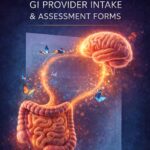
The gut-brain axis is a complex communication network between your digestive system and your central nervous system. Research shows that up to 90% of serotonin, the “feel-good” neurotransmitter, is produced in the gut. When stress or anxiety affects brain chemistry, it also impacts gut motility, secretion, and sensitivity.
People with IBS often have heightened visceral sensitivity, meaning the gut reacts more strongly to normal stimuli like gas, stretching, or minor inflammation. This explains why stress or worry can lead to a flare-up seemingly “out of nowhere.”
Learn more about the gut-brain connection here:
The Gut-Brain Connection: How Digestive Health Affects Mood, Anxiety, and IBS
.
How Anxiety Triggers IBS Symptoms
Stress and anxiety can worsen IBS through several mechanisms:
- Altered gut motility: Stress can speed up or slow down digestion, leading to diarrhea or constipation.
- Increased gut sensitivity: Heightened nerve response in the intestines amplifies pain.
- Inflammation: Chronic stress triggers low-level inflammation, which may worsen IBS symptoms.
- Microbiome imbalance: Stress can change gut bacteria, increasing susceptibility to flares.
This is why IBS flare-ups often coincide with stressful life events, deadlines, travel, or emotional strain.
Common Signs That Anxiety Is Worsening Your IBS
- Sudden worsening of diarrhea or constipation during stressful periods
- Increased bloating and gas after minor meals
- Heightened abdominal pain not explained by diet
- Difficulty sleeping due to digestive discomfort
- Muscle tension and fatigue accompanying GI symptoms
Recognizing the connection is the first step to intervention.
Immediate Strategies to Calm IBS Flare-Ups Triggered by Anxiety
1. Mindful Breathing and Meditation
Deep breathing slows the stress response and calms the autonomic nervous system. Even 5–10 minutes daily can reduce IBS symptom severity.
- Try diaphragmatic breathing: inhale 4 seconds, hold 2, exhale 6.
- Guided meditation apps like Headspace or Calm are effective for beginners.
2. Heat Therapy for Abdominal Comfort
Use a warm heating pad or hot water bottle on the abdomen to reduce cramping. This relaxes smooth muscle and reduces perceived pain.
3. Diet Adjustments During Stressful Periods
Stress can increase gut sensitivity, so avoid known IBS triggers during high-anxiety times:
- High-FODMAP foods like onions, garlic, beans
- Dairy if lactose sensitive
- Spicy or fatty foods
- Caffeine and carbonated drinks
Favor soothing foods like rice, bananas, eggs, and low-FODMAP vegetables. For a full list, see:
Great Foods for Bloating: What to Eat for a Calm and Healthy Gut
.
4. Supplements That Support Gut-Brain Wellness
- Peppermint oil: Reduces gut spasms and discomfort (Heather’s Tummy Tamers)
- Probiotics: Strains like Bifidobacterium infantis may reduce stress-related IBS symptoms (Align Probiotic)
- Magnesium or herbal teas: Can reduce anxiety and support digestion
Long-Term Strategies for Managing Anxiety and IBS
1. Cognitive Behavioral Therapy (CBT)
CBT is a research-backed therapy that helps people identify stress triggers, change negative thought patterns, and reduce IBS flare frequency.
2. Gut-Directed Hypnotherapy
Hypnotherapy targets the gut-brain axis directly and has been shown in studies to reduce IBS symptom severity by up to 70% over 12 weeks.
3. Regular Exercise
Moderate-intensity activity, like walking, yoga, or swimming, reduces stress hormones, improves gut motility, and supports overall mental health.
4. Consistent Sleep Routine
Poor sleep worsens both anxiety and IBS symptoms. Aim for 7–9 hours per night, avoid screens before bed, and maintain a consistent bedtime.
5. Nutrition for Stress and IBS
A diet rich in fiber, omega-3 fatty acids, and fermented foods supports both gut and mental health. Avoid highly processed foods that can exacerbate inflammation and flares.
For broader dietary guidance, see:
How to Eat Better for Better Gut Health
.
Preventing Anxiety-Induced IBS Flare-Ups
- Identify triggers early and adjust meals or activities accordingly
- Practice daily stress reduction: meditation, yoga, journaling
- Maintain a low-FODMAP or personalized IBS diet
- Monitor symptoms in a journal to recognize patterns
- Incorporate probiotics and fiber gradually to stabilize gut microbiome
When to Seek Professional Help
Consult a healthcare provider if you experience:
- Persistent or worsening abdominal pain
- Blood in stool or unexplained weight loss
- Severe anxiety or depression affecting daily life
- IBS symptoms not improving with diet, lifestyle, and stress reduction
Medical professionals may suggest additional testing, medications, or therapy approaches for comprehensive management.
Conclusion: Taking Control of Your Gut and Mind
IBS and anxiety are tightly linked, but understanding the gut-brain connection empowers you to reduce flare-ups and improve quality of life. By combining dietary strategies, stress management, supplements, and professional support, IBS symptoms can be effectively controlled.
Early intervention, awareness of triggers, and consistent lifestyle habits are the keys to long-term relief. Remember, managing IBS is a journey—combining mind and gut health provides the most sustainable results.
Medical Disclaimer:
This content is for educational purposes only and is not a substitute for professional medical advice. Consult a qualified healthcare professional if you have symptoms, mental health concerns, or digestive issues.