Introduction
Our digestive tract hosts a bustling community of trillions of microorganisms, collectively known as the gut microbiome. This intricate ecosystem plays a foundational role in our health, influencing digestion, immunity, metabolism, and even emotions. As research accelerates, we’re uncovering how shifts in the balance of these microscopic residents can trigger a cascade of effects—both beneficial and harmful. Understanding the basics of gut flora isn’t just academic; it empowers us to make informed choices about diet, lifestyle, and emerging therapies.
Decoding the microbiome feels like cracking nature’s most complex code. Every meal, stress response, and antibiotic course can nudge this community toward harmony or dysbiosis. In this article, we’ll break down the core components of gut flora, explore their vital functions, examine factors that shape microbial balance, and highlight practical strategies to nurture a thriving microbiome. Whether you’re a health professional, wellness enthusiast, or curious reader, this guide will equip you with the foundational insights you need to support your internal ecosystem.
The Ecosystem Within
Defining the Gut Microbiome At its core, the gut microbiome refers to all the genetic material carried by microorganisms in our gastrointestinal tract. This includes bacteria, archaea, fungi, viruses, and protozoa. While bacteria receive the lion’s share of attention, the interplay among these diverse life forms determines the overall health of the ecosystem. Each species contributes unique metabolic capabilities, from fermenting dietary fibers to producing vitamins and signaling molecules that interact with our cells.Together, these microbes outnumber our own human cells by roughly ten to one and harbor at least 100 times more genes than our human genome. They occupy distinct niches along the digestive tract—from the acidic stomach to the oxygen‐poor colon—adapting to local pH, nutrient availability, and immune pressures. Disruption of this community’s delicate balance can manifest as digestive discomfort, nutrient deficiencies, immune dysregulation, and even mood disturbances.
Key Players: Components of Gut Flora
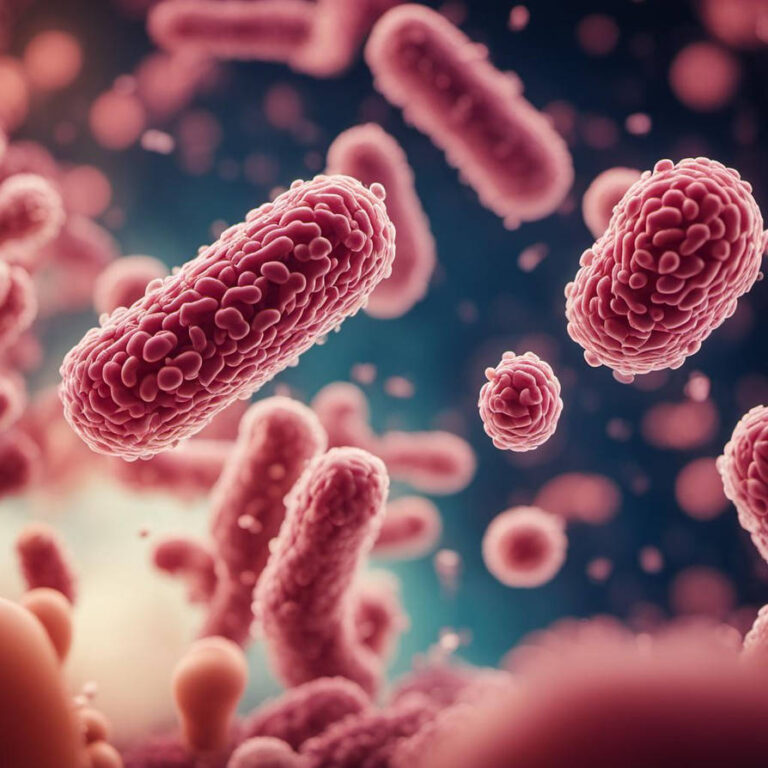
Bacteria: The Workhorses Bacteria dominate gut microbiome research due to their abundance and metabolic diversity. Common bacterial phyla include Firmicutes, Bacteroidetes, Actinobacteria, and Proteobacteria. Firmicutes species often excel at extracting calories from complex carbohydrates, while Bacteroidetes specialize in breaking down plant polysaccharides. Actinobacteria, such as Bifidobacterium, produce short‐chain fatty acids that fuel colon cells and modulate inflammation. In a balanced gut, these groups maintain a dynamic equilibrium, preventing any one phylum from overgrowing and producing harmful byproducts.
Archaea, Fungi, and Viruses:
The Underrated Residents Beyond bacteria, gut archaea like Methanobrevibacter smithii help optimize fermentation by consuming excess hydrogen gas. Fungi—though far less abundant—contribute enzymes capable of digesting tough fibers and may prime our immune system. Bacteriophages, the viruses that prey on bacteria, act as natural population controls, shaping which bacterial strains thrive. Though still emerging, research suggests these nonbacterial members collaborate with bacterial neighbors to fine‐tune nutrient production and host interactions.
Functions of Gut Flora: More Than Digestion
Nutrient Metabolism and Energy Harvest Gut microbes break down dietary fibers that human enzymes cannot process, converting them into short‐chain fatty acids (SCFAs) like butyrate, propionate, and acetate. These SCFAs provide up to 10% of our daily caloric needs and support the health of colonocytes, the cells lining our large intestine. Certain bacteria also synthesize essential vitamins—such as vitamin K and B vitamins—bolstering our nutritional status.
Immune System Modulation Roughly 70% of our immune cells reside in the gut‐associated lymphoid tissue (GALT), continually sampling microbial antigens. Beneficial bacteria help train immune cells to tolerate harmless food particles and commensal microbes while mounting robust defenses against pathogens. Disruption in this education process can contribute to food sensitivities, allergies, and autoimmune conditions.
Communication Along the Gut–Brain Axis
Microbes produce neurotransmitters and neuromodulators—like serotonin, dopamine, and γ‐aminobutyric acid (GABA)—that influence mood, cognition, and stress responses. Through the vagus nerve, endocrine signals, and immune mediators, gut flora send real‐time updates to the brain. Emerging evidence links gut dysbiosis to anxiety, depression, and neurodevelopmental disorders, underscoring the psychological dimension of microbial balance.Shaping the Microbiome:
Internal and External Factors Diet and Nutrition The food we eat provides substrates for microbial growth. Diets rich in diverse plant fibers promote a flourishing community of fiber‐fermenting bacteria, whereas high‐fat, high‐sugar diets can favor opportunistic strains associated with inflammation. Regular intake of fermented foods—such as yogurt, sauerkraut, and kefir—introduces live cultures that may bolster microbial diversity.Antibiotics, Medications, and Environmental Exposures
Broad‐spectrum antibiotics can wipe out beneficial species alongside pathogens, leaving ecological voids that opportunistic bacteria or fungi may exploit. Other medications—from proton‐pump inhibitors to nonsteroidal anti‐inflammatory drugs—can alter pH levels or mucosal integrity, indirectly affecting microbial balance. Environmental factors like pollutants and urban environs further shape community composition.
Genetics, Mode of Birth, and Early Life
Newborns receive their first microbial inoculum from maternal vaginal and fecal microbes during natural birth. Cesarean‐delivered infants display distinct microbiome signatures that may influence immune development. Breast milk provides prebiotic oligosaccharides tailored to feed beneficial Bifidobacterium species. Beyond infancy, host genetics—such as immune receptor variants—can favor colonization by certain microbes.
Lifestyle: Stress, Sleep, and Exercise
Chronic psychological stress triggers cortisol release, which can thin the intestinal mucus layer and permit pathogen invasion. Sleep deprivation disrupts circadian rhythms that gut microbes follow, leading to shifts in composition. Moderate exercise tends to diversify microbial communities and promote the growth of anti‐inflammatory strains, while sedentary habits risk narrowing species variety.
Tools of the Trade: How Scientists Study Gut Flora
Culture‐Based Methods Researchers isolate and grow bacteria on selective media to study their metabolic properties and antibiotic sensitivities. While valuable, culture methods capture only a fraction of species capable of thriving under laboratory conditions.DNA Sequencing and Metagenomics 16S ribosomal RNA gene sequencing profiles bacterial taxa by comparing conserved genetic regions. Whole‐genome metagenomics delves deeper, revealing functional genes and strain‐level differences across the entire microbial community.
Metabolomics and Proteomics By cataloging small molecules and proteins in fecal or blood samples, scientists can infer microbial metabolic activities, cross‐feeding networks, and host‐microbe interactions.
Imaging and In Vivo Models Advanced microscopy techniques visualize microbial biofilms on the gut lining, while germ‐free animal models allow researchers to introduce specific microbes and investigate their systemic effects.
Restoring and Maintaining Balance: Practical Strategies Maintaining a harmonious gut microbiome hinges on nurturing beneficial species, minimizing disruptions, and fostering resilience. Below are targeted approaches:
Dysbiosis: When the Code Goes Off Script
Dysbiosis—an imbalance in microbial communities—can manifest as reduced diversity, overgrowth of pathogenic species, or loss of key functional groups. Common health conditions associated with dysbiosis include:
Irritable Bowel Syndrome (IBS), marked by pain, bloating, and altered bowel habits.
Inflammatory Bowel Disease (IBD), characterized by chronic intestinal inflammation.
Metabolic disorders, such as obesity and type 2 diabetes, linked to shifts in energy‐harvesting bacteria.
Mood and cognitive disturbances, due to gut–brain axis perturbations.
Diagnosing dysbiosis often involves stool analysis for taxonomic profiling, metabolomic signatures, and inflammatory biomarkers. Personalized interventions typically focus on restoring diversity through diet, targeted probiotics, and, in severe cases, fecal microbiota transplantation under medical supervision.
Future Directions:
Personalized Microbiome Medicine
As sequencing costs plummet and computational tools advance, personalized microbiome profiling is becoming feasible for clinical applications. Potential frontiers include:
Predictive Models:
Machine learning algorithms may forecast an individual’s response to specific diets or medications based on their microbial signature.
Next‐Generation Probiotics:
Scientists are engineering microbial strains designed to produce therapeutic compounds, degrade toxins, or bolster immune tolerance.
Microbiome‐Derived Drug Discovery:
Metabolites isolated from gut bacteria hold promise as novel pharmaceuticals for metabolic, inflammatory, and neuropsychiatric disorders.
Ethical and Regulatory Frameworks:
As live biotherapeutics emerge, robust guidelines will be essential for safety, quality control, and equitable access.
Conclusion
The gut microbiome stands at the intersection of nutrition, immunology, neuroscience, and personalized medicine. By understanding its core components, vital functions, and the myriad factors that influence its balance, we gain a powerful lever to enhance our health and resilience. Nurturing a diverse and stable microbial community requires intentional choices—diverse, fiber-rich foods; measured antibiotic use; stress management; and curiosity about cutting-edge interventions. As research unveils deeper layers of the microbial code, opportunities will expand for customized therapies that harness our internal ecosystem. Embrace this journey of discovery, and you’ll unlock new ways to optimize both body and mind.
Further Reading and > Resources
Beginner’s Guide to Fermented Foods: Simple Recipes to Start Today
Interactive Gut Flora Quiz: Discover Your Diversity Score
Recent Landmark Studies on Microbiome–Brain Interactions
Professional Organizations: International Society for Microbiota and Microbiome (ISMM)
Podcasts and Webinars: Interviews with Leading Microbiome Researchers
Dive deeper into these resources to continue cracking the microbiome code and transforming your understanding into tangible health benefits.