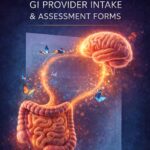
The Gut–Brain Connection: How Digestive Health Affects Mood, Anxiety, and IBS
The link between the mind and the digestive system is far stronger than once believed. Modern research shows that the gut and brain communicate constantly through a complex network known as the gut–brain connection.
This connection helps explain why digestive disorders often coexist with anxiety, depression, and stress—and why emotional distress can worsen gut symptoms such as bloating, pain, and irritable bowel syndrome (IBS).
In this in-depth guide, you’ll learn how the gut–brain axis works, how digestive health influences mental well-being, and evidence-based ways to support both systems naturally.
What Is the Gut–Brain Connection?
The gut–brain connection refers to the complex, bidirectional communication network that links the gastrointestinal (GI) tract with the central nervous system (CNS).
This system allows the gut and brain to constantly exchange information, influencing everything from digestion and immune activity to mood, stress levels, and cognitive function.
Because of this deep interconnection, the gut is often called the “second brain.”
According to research from the National Center for Biotechnology Information (NCBI),
this communication occurs through several major pathways: neural, hormonal, immune, and microbial.
Together, these systems create a feedback loop that helps maintain balance throughout the body.
1. Neural Pathways: The Vagus Nerve
The vagus nerve is the primary physical link between the gut and the brain.
It carries sensory information from the digestive tract to the brain and sends motor signals back to regulate digestion.
About 80–90% of vagus nerve signals travel from the gut to the brain, not the other way around — highlighting how strongly the gut influences mood, stress, and emotional processing.
When the gut is inflamed, stressed, or imbalanced, the vagus nerve transmits these signals to the brain, which may contribute to symptoms like anxiety, nausea, or changes in appetite.
2. Hormonal Pathways: Neurotransmitters and Gut Hormones
The gut produces many of the same neurotransmitters found in the brain, including serotonin, dopamine, and GABA.
In fact, about 90% of the body’s serotonin — a key mood-regulating chemical — is produced in the gut.
These neurotransmitters help regulate mood, sleep, appetite, and digestion.
The gut also releases hormones such as ghrelin, leptin, and peptide YY, which influence hunger, satiety, and energy balance.
These hormones communicate with the brain to regulate eating behavior and metabolic function.
3. Immune Pathways: Inflammation and Cytokines
Roughly 70% of the immune system resides in the gut.
Immune cells in the intestinal lining constantly monitor the environment and release signaling molecules called cytokines.
These cytokines can influence brain function, mood, and stress responses.
When the gut becomes inflamed — due to infection, stress, poor diet, or dysbiosis — inflammatory cytokines may travel through the bloodstream and affect the brain.
This can contribute to symptoms such as fatigue, low mood, brain fog, or heightened stress sensitivity.
4. Microbial Pathways: The Gut Microbiome
The trillions of microbes living in the gut play a major role in gut–brain communication.
These microbes produce neurotransmitters, short-chain fatty acids, and other metabolites that influence brain function and emotional regulation.
A balanced microbiome supports healthy digestion, reduces inflammation, and promotes stable mood.
Conversely, an imbalanced microbiome — known as dysbiosis — has been linked to anxiety, depression, cognitive changes, and digestive disorders.
Why the Gut Is Called the “Second Brain”
The gut contains its own nervous system, called the enteric nervous system (ENS), which has over 500 million neurons — more than the spinal cord.
The ENS can operate independently of the brain and controls digestion, motility, enzyme release, and blood flow within the GI tract.
Because the ENS communicates directly with the brain and produces many of the same neurotransmitters, scientists often refer to the gut as the “second brain.”
This highlights how deeply digestion and emotional well-being are intertwined.
The Importance of a Healthy Gut–Brain Axis
When the gut–brain axis functions well, digestion is smooth, mood is stable, and inflammation stays under control.
When communication breaks down — due to stress, poor diet, illness, or microbiome imbalance — symptoms may appear in both the gut and the brain.
This explains why digestive issues often accompany stress or anxiety, and why improving gut health can support emotional balance and cognitive clarity.
The Gut–Brain Axis Explained
The gut–brain axis is the communication network that links the gastrointestinal (GI) tract with the brain.
This system allows the gut and brain to constantly exchange information, influencing digestion, mood, immune activity, and the body’s response to stress.
When functioning well, it helps maintain balance throughout the body. When disrupted, it can contribute to digestive discomfort, anxiety, low mood, and inflammation.
The gut–brain axis consists of several key components:
-
The vagus nerve:
The vagus nerve is the main physical pathway connecting the gut and the brain.It carries signals in both directions, but most of the communication actually travels from the gut to the brain.
This means the gut can strongly influence mood, stress levels, and emotional responses.When the gut is irritated or inflamed, the vagus nerve sends distress signals that may contribute to anxiety, nausea, or changes in appetite.
-
The gut microbiome:
The trillions of microbes living in the gut produce neurotransmitters such as serotonin, dopamine, and GABA—chemicals that regulate mood, sleep, and stress.These microbes also create short-chain fatty acids that support brain health and reduce inflammation.
When the microbiome becomes imbalanced (a condition known as dysbiosis), it can disrupt these chemical signals and affect emotional well-being. -
The immune system:
About 70% of the immune system is located in the gut.Immune cells in the intestinal lining release signaling molecules called cytokines, which can influence brain function.
When the gut becomes inflamed—due to stress, infection, or poor diet—these inflammatory signals can travel to the brain and contribute to fatigue, low mood, or heightened stress sensitivity. -
Hormones and stress chemicals:
The gut and brain communicate through hormones such as cortisol (the stress hormone), ghrelin (hunger hormone), and serotonin.Stress can alter gut motility, increase inflammation, and change the composition of gut bacteria.
Likewise, gut imbalances can affect hormone production and disrupt mood, appetite, and energy levels.
Because these systems are interconnected, disruption in any part of the gut–brain axis can affect both digestion and mental health.
This explains why stress can trigger digestive symptoms—and why improving gut health can support emotional balance.
How Gut Bacteria Affect the Brain
The gut microbiome has a powerful influence on brain function through the gut–brain axis.
The trillions of microbes living in the intestines produce chemicals, metabolites, and signaling molecules that directly affect mood, cognition, stress response, and emotional regulation.
This means that the balance of bacteria in the gut can shape how the brain functions on a daily basis.
Gut Bacteria Produce Key Neurotransmitters
Many gut bacteria are capable of producing the same neurotransmitters used by the brain to regulate mood and behavior.
These chemicals can communicate with the central nervous system through the vagus nerve, the bloodstream, and immune pathways.
-
Serotonin (mood regulation):
About 90% of the body’s serotonin is produced in the gut.
Serotonin helps regulate mood, sleep, appetite, and digestion.
Certain gut bacteria stimulate serotonin production in the intestinal lining, which can influence emotional well-being. -
Dopamine (motivation and reward):
Some gut microbes help produce dopamine precursors that influence motivation, focus, and reward-driven behavior.
Although most dopamine used by the brain is produced in the brain itself, gut-derived dopamine signals can still affect mood and stress responses. -
GABA (calming effects):
GABA is the brain’s main inhibitory neurotransmitter, helping reduce anxiety and promote relaxation.
Certain probiotic strains—such as Lactobacillus rhamnosus—can increase GABA signaling and support a calmer nervous system.
How Gut Bacteria Communicate With the Brain
Gut microbes influence the brain through several interconnected pathways:
-
Neural signaling:
Microbial metabolites stimulate the vagus nerve, sending messages directly to the brain about stress, inflammation, and digestive activity. -
Hormonal pathways:
Gut bacteria influence the release of hormones that regulate appetite, stress, and mood. -
Immune signaling:
Microbes help regulate inflammation. When the gut is inflamed, immune molecules called cytokines can affect brain function and mood. -
Metabolite production:
Bacteria produce short-chain fatty acids (SCFAs) like butyrate, which support brain health, reduce inflammation, and strengthen the gut barrier.
What Happens When Gut Bacteria Become Imbalanced?
When the gut microbiome becomes imbalanced—a condition known as dysbiosis—the production of neurotransmitters and beneficial metabolites can be disrupted.
This imbalance may contribute to:
- Anxiety and heightened stress sensitivity
- Low mood or depressive symptoms
- Brain fog and difficulty concentrating
- Sleep disturbances
- Increased inflammation affecting both gut and brain
Dysbiosis can also weaken the gut barrier, allowing inflammatory molecules to enter the bloodstream and influence brain function—a process sometimes referred to as “leaky gut–brain signaling.”
Because of these connections, supporting gut health through diet, stress management, and lifestyle habits can have a meaningful impact on emotional and cognitive well-being.
Anxiety, Stress, and Digestive Health
Anxiety and stress have a powerful influence on how the digestive system functions. When you experience stress, your body activates the
“fight or flight” response, a survival mechanism designed to help you respond to danger. In this state, the nervous system
diverts blood flow and energy away from the digestive organs and redirects it to the muscles, heart, and brain. As a result, digestion becomes a
lower priority, and normal gut processes can slow down or become disrupted.
During periods of chronic stress, this survival mode is activated repeatedly or for long stretches of time. Over time, this can:
- Slow gut motility: Food may move more slowly through the intestines, leading to constipation, bloating, and a heavy or full feeling.
- Speed up gut motility: In some people, stress has the opposite effect, causing cramping, diarrhea, or urgent bowel movements.
-
Alter gut bacteria: Stress hormones like cortisol can change the composition of the gut microbiome, reducing beneficial bacteria and
allowing more inflammatory or gas-producing species to thrive. - Increase gut sensitivity: The brain may become more reactive to signals from the gut, making normal sensations feel painful or uncomfortable.
Harvard Health Publishing notes that stress can worsen symptoms of irritable bowel syndrome (IBS), acid reflux, and other functional digestive disorders. Stress may:
- Increase stomach acid, contributing to heartburn or reflux.
- Tighten abdominal muscles, making bloating and cramping feel more intense.
- Alter eating habits, leading to overeating, undereating, or choosing highly processed “comfort” foods.
Over time, this creates a feedback loop:
- Anxiety or stress triggers digestive symptoms such as pain, gas, or urgency.
- These uncomfortable symptoms increase worry, embarrassment, or fear of eating or going out.
- Increased anxiety then further disrupts gut function, fueling the cycle.
Breaking this loop often requires addressing both sides of the equation: supporting gut health through diet and lifestyle, and reducing stress
through relaxation techniques, coping strategies, and, when appropriate, professional support.
IBS and the Gut–Brain Connection
Irritable Bowel Syndrome (IBS) is now recognized as a disorder of gut–brain interaction rather than a purely structural or
mechanical problem in the digestive tract. This means that IBS symptoms arise from changes in how the gut and brain communicate, rather than from
visible damage to the intestines.
In IBS, several factors often interact:
-
Altered gut motility: The intestines may contract too quickly (leading to diarrhea) or too slowly (leading to constipation), or
alternate between both. -
Visceral hypersensitivity: The nerves in the gut become more sensitive, so normal amounts of gas or movement feel painful or
uncomfortably intense. - Microbiome imbalances: Changes in gut bacteria can increase gas production, inflammation, and sensitivity.
- Stress and emotional factors: The brain may amplify signals from the gut, and stress can trigger or worsen flare-ups.
Because IBS involves both the digestive system and the nervous system, it is best understood as a condition where the gut–brain axis
is out of balance. This is why many effective IBS management strategies target both:
- The gut: through dietary adjustments, fiber balance, probiotics, and lifestyle changes.
- The brain and nervous system: through stress reduction, relaxation techniques, gut-directed therapies, and emotional support.
Viewing IBS as a gut–brain condition helps explain why symptoms can be very real and disruptive even when tests and scans appear “normal.”
It also highlights the importance of a holistic approach that cares for both digestive health and emotional well-being.
People with IBS often experience a combination of digestive and nervous‑system‑related changes because IBS is closely tied to how the gut and brain communicate.
These changes can make the digestive tract more reactive, more sensitive, and more easily influenced by stress or emotional shifts.
Understanding these patterns helps explain why IBS symptoms can fluctuate and why management often requires a whole‑body approach.
People with IBS often experience:
-
Heightened gut sensitivity:
Individuals with IBS often have what is known as visceral hypersensitivity, meaning the nerves in the gut send stronger or more frequent signals to the brain.Normal digestive processes—such as gas moving through the intestines—may feel painful, urgent, or uncomfortable.
This heightened sensitivity can make bloating, cramping, or fullness feel more intense than they would in someone without IBS.
-
Altered gut microbiota:
Many people with IBS have imbalances in their gut bacteria, known as dysbiosis.
This may include lower levels of beneficial bacteria, higher levels of gas‑producing microbes, or reduced microbial diversity.These imbalances can contribute to symptoms such as gas, irregular bowel movements, inflammation, and food intolerances.
Because the microbiome influences mood and stress responses, dysbiosis may also affect emotional well‑being.
-
Increased stress response:
The gut–brain axis in IBS tends to be more reactive.
Stress hormones like cortisol can alter gut motility, increase inflammation, and heighten nerve sensitivity.As a result, stressful events—big or small—can trigger flare‑ups, worsen pain, or disrupt bowel habits.
This creates a cycle where stress worsens symptoms, and symptoms increase stress.
Learn more about symptom patterns in our guide to IBS symptoms and causes.
Managing IBS often requires addressing both digestive health and emotional regulation.
Strategies such as dietary adjustments, stress‑reduction techniques, gentle movement, and supportive routines can help calm the gut–brain axis and reduce symptom intensity over time.
Signs of an Unhealthy Gut–Brain Connection
When the gut–brain axis becomes disrupted, signals between the digestive system and the nervous system may become exaggerated, confused, or overly reactive.
This can lead to symptoms that affect both the gut and the mind.
Because the gut and brain constantly communicate, imbalances in one area often show up in the other.
Common signs that the gut–brain axis may be disrupted include:
-
Chronic bloating or abdominal pain:
Persistent discomfort may indicate heightened nerve sensitivity, inflammation, or microbiome imbalance affecting how the gut processes food and signals the brain. -
Frequent diarrhea or constipation:
Irregular bowel habits can result from disrupted gut motility, stress‑related changes, or altered microbial activity.These symptoms often fluctuate with emotional stress or dietary triggers.
-
Brain fog:
Difficulty concentrating or feeling mentally “cloudy” may be linked to inflammation, microbiome imbalances, or disrupted neurotransmitter production in the gut. -
Low mood or anxiety:
Because the gut produces neurotransmitters like serotonin and communicates directly with the brain, imbalances can influence emotional well‑being.Dysbiosis or chronic gut irritation may contribute to mood changes.
-
Poor stress tolerance:
When the gut–brain axis is dysregulated, the body may become more reactive to stress.Small stressors may feel overwhelming, and stress may trigger digestive symptoms more easily.
If these symptoms persist, a healthcare provider should be consulted.
Persistent or worsening symptoms may indicate an underlying condition that requires professional evaluation and guidance.
How Diet Supports the Gut–Brain Connection
Nutrition is one of the most powerful tools for supporting the gut–brain axis. The foods you eat directly influence the composition of your gut microbiome, the level of inflammation in your body, and the production of neurotransmitters that affect mood, stress response, and cognitive function.
A diet rich in gut healthy foods helps create a stable, diverse microbial environment that communicates more effectively with the brain.
When the gut is nourished with the right nutrients, it produces more short-chain fatty acids (SCFAs), strengthens the intestinal barrier, reduces inflammation, and supports balanced hormone and neurotransmitter production. These changes can improve digestion, emotional well‑being, and overall resilience to stress.
Foods that support the gut–brain axis include:
-
Fermented foods:
Foods like yogurt, kefir, kimchi, sauerkraut, miso, and tempeh contain live probiotics that help replenish beneficial gut bacteria.These microbes produce neurotransmitters, reduce inflammation, and strengthen the gut lining.
Regular consumption of fermented foods has been linked to improved mood, reduced anxiety, and better digestive comfort.
-
Fiber-rich fruits and vegetables:
Dietary fiber feeds beneficial bacteria, allowing them to produce SCFAs such as butyrate, which support brain health and reduce inflammation.Fiber also helps regulate bowel movements, stabilize blood sugar, and maintain a healthy gut barrier.
A diverse intake of plant foods increases microbial diversity, which is strongly associated with better mental and digestive health.
-
Omega-3 fatty acids:
Found in salmon, sardines, walnuts, chia seeds, and flaxseeds, omega‑3s have anti-inflammatory properties that support both brain and gut health.They help regulate neurotransmitter function, reduce stress-related inflammation, and may improve symptoms of anxiety and low mood.
Omega‑3s also support the integrity of cell membranes in the gut lining.
-
Polyphenol-rich foods:
Polyphenols are plant compounds found in berries, green tea, olive oil, dark chocolate, and colorful vegetables.They act as antioxidants and prebiotics, feeding beneficial bacteria and reducing oxidative stress.
Polyphenols also help regulate inflammation and support healthy communication along the gut–brain axis.
For a comprehensive list of foods that soothe digestion and reduce bloating, see our guide on
foods for bloating.
Lifestyle Factors That Influence Gut–Brain Health
While diet is essential, lifestyle habits also play a major role in shaping the gut–brain connection.
Daily routines influence stress hormones, microbial diversity, inflammation levels, and the strength of neural pathways between the gut and brain.
Even small, consistent changes can create meaningful improvements in both digestive comfort and emotional balance.
-
Sleep:
Poor or inconsistent sleep disrupts the natural rhythms of gut bacteria, reduces microbial diversity, and increases inflammation.Quality sleep supports hormone regulation, stress resilience, and healthy digestion.
Aiming for 7–9 hours of restful sleep helps maintain a stable gut–brain axis.
-
Exercise:
Moderate physical activity—such as walking, cycling, or yoga—has been shown to increase beneficial gut bacteria and improve gut motility.Exercise also reduces stress hormones and boosts mood‑enhancing neurotransmitters, strengthening communication between the gut and brain.
-
Stress management:
Chronic stress disrupts gut bacteria, increases inflammation, and heightens gut sensitivity.Practices like deep breathing, meditation, journaling, and gentle movement help calm the nervous system and reduce inflammatory signaling.
Managing stress is one of the most effective ways to support both digestive and emotional health.
-
Mindfulness:
Mindfulness practices activate the vagus nerve, which helps regulate digestion, reduce anxiety, and promote a sense of calm.Techniques such as mindful eating, body scans, or slow breathing can improve gut motility and reduce stress-related digestive symptoms.
Together, these lifestyle habits help create a balanced gut–brain environment, supporting smoother digestion, clearer thinking, and greater emotional stability.
Probiotics and the Gut–Brain Axis
Probiotics are live microorganisms that support a healthy gut microbiome. In recent years, researchers have identified specific strains—sometimes called “psychobiotics”—that appear to influence not only digestion but also mood, stress resilience, and cognitive function.
These effects occur because probiotics interact with the gut–brain axis, the communication network linking the digestive system and the central nervous system.
Psychobiotic strains may help regulate neurotransmitter production, reduce inflammation, and strengthen the gut barrier.
They also produce metabolites such as short-chain fatty acids (SCFAs), which support brain health and help regulate stress responses.
Some strains influence the vagus nerve, sending calming signals from the gut to the brain.
According to the Mayo Clinic, research on probiotics and mental health is still developing, but early findings suggest that certain strains may help reduce mild anxiety, improve mood balance, and support emotional well‑being.
These effects vary widely depending on the strain, dosage, and individual microbiome differences.
How Probiotics Influence the Gut–Brain Axis
-
Neurotransmitter production:
Some probiotic strains help produce or regulate neurotransmitters such as serotonin, dopamine, and GABA.These chemicals play key roles in mood regulation, stress response, and emotional stability.
-
Reduced inflammation:
Chronic inflammation can disrupt gut–brain communication. Probiotics may help lower inflammatory markers and support a healthier immune response. -
Improved gut barrier function:
A strong gut lining prevents unwanted substances from entering the bloodstream. Probiotics help maintain this barrier, reducing the risk of inflammation that can affect the brain. -
Enhanced stress resilience:
Some strains appear to modulate cortisol levels, helping the body respond more calmly to stress. -
Balanced microbiome:
Probiotics help restore microbial diversity, which is essential for stable digestion and emotional well‑being.
Examples of Psychobiotic Strains
- Lactobacillus rhamnosus: Studied for its potential calming effects and influence on GABA receptors.
- Bifidobacterium longum: May help reduce stress-related symptoms and support emotional balance.
- Lactobacillus helveticus + Bifidobacterium bifidum: A combination often researched for mood support.
Because probiotics can alter gut activity, they should be introduced gradually.
Individuals with IBS or sensitive digestion may experience temporary gas or bloating when starting probiotics, so a slow, cautious approach is recommended.
When to Seek Professional Help
While many digestive symptoms can be managed through diet and lifestyle, certain signs indicate the need for professional evaluation.
If symptoms are severe, persistent, or worsening, it’s important to consult a healthcare provider to rule out underlying conditions.
Seek medical guidance if you experience:
- Unintended or rapid weight loss
- Blood in stool or black, tarry stools
- Severe or persistent abdominal pain
- Chronic diarrhea or constipation
- Severe anxiety, depression, or emotional distress linked to digestive symptoms
The National Institute of Diabetes and Digestive and Kidney Diseases (NIDDK)
offers evidence-based information on digestive disorders, testing options, and treatment approaches.
Medical Disclaimer
This article is for educational purposes only and does not replace professional medical advice.
Always consult a qualified healthcare provider for diagnosis or treatment of digestive or mental health concerns.
Conclusion
The gut–brain connection highlights the powerful relationship between digestive health and mental well-being. Supporting the gut microbiome through nutrition, lifestyle, and stress management can improve digestion, mood, and quality of life.
Explore more science-backed gut health resources at The Greater Gut.