What Is IBS? A Deep Wellness Guide to Irritable Bowel Syndrome
Irritable bowel syndrome, commonly known as IBS, is one of the most frequently discussed digestive conditions, yet it remains widely misunderstood. Many people experience symptoms that resemble IBS long before they ever hear the term, and even then, it can feel confusing or overwhelming. IBS is not a disease in the traditional sense—it’s a functional gastrointestinal disorder, meaning the digestive system looks normal on tests but doesn’t always work the way it should.
This article offers a comprehensive, wellness‑focused, educational explanation of what IBS is, how it affects the body, what symptoms people commonly experience, what triggers flare‑ups, and how IBS fits into the broader picture of digestive and emotional well‑being. This is not medical advice or a treatment guide, but a way to understand the condition more clearly so you can recognize patterns and know when to seek professional support.
Understanding the basics: What is IBS?
IBS, or irritable bowel syndrome, is a long‑term condition that affects how the large intestine (colon) functions. It is characterized by a group of symptoms that often occur together, including abdominal discomfort, changes in bowel habits, bloating, and irregular stool patterns. Unlike inflammatory bowel diseases (IBD) such as Crohn’s disease or ulcerative colitis, IBS does not cause inflammation, tissue damage, or structural changes in the digestive tract.
Instead, IBS is considered a disorder of gut–brain interaction. This means the nerves, muscles, and communication pathways between the digestive system and the brain don’t always coordinate smoothly. As a result, the gut may become more sensitive, move too quickly or too slowly, or react strongly to stress, food, or hormonal changes.
IBS is extremely common. Millions of people worldwide experience it, and it affects individuals of all ages. While it can be uncomfortable and disruptive, it does not cause permanent damage to the intestines or increase the risk of cancer. However, it can significantly affect quality of life, daily routines, and emotional well‑being.
How digestion normally works
To understand IBS, it helps to know how digestion works when everything is functioning smoothly. After you eat, food travels through the esophagus into the stomach, where it is broken down by acids and enzymes. It then moves into the small intestine, where nutrients are absorbed. The remaining material enters the large intestine, where water is absorbed and stool is formed.
The colon uses rhythmic muscle contractions, called peristalsis, to move stool along. Nerves in the digestive tract communicate with the brain to regulate movement, sensation, and digestive secretions. When this communication is balanced, digestion feels natural and predictable.
In IBS, this communication becomes disrupted. The colon may contract too quickly, leading to loose stools, or too slowly, leading to constipation. The nerves may become overly sensitive, causing normal digestive processes to feel painful or uncomfortable. This is why IBS is often described as a condition where the gut is more reactive than usual.
The gut–brain connection: A key part of IBS
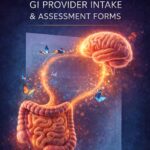
One of the most important aspects of IBS is the gut–brain connection. The digestive system has its own network of nerves, sometimes called the “second brain,” known scientifically as the enteric nervous system. This system communicates constantly with the central nervous system through a pathway called the gut–brain axis.
In people with IBS, this communication can become overly sensitive or easily disrupted. Stress, emotions, and even subtle changes in routine can influence how the gut behaves. This doesn’t mean IBS is “in your head”—it means the gut and brain are deeply interconnected, and IBS is one expression of that relationship.
Many people with IBS notice that symptoms flare during stressful periods, major life changes, or times of emotional strain. Others find that their digestion is closely tied to sleep patterns, daily routines, or hormonal cycles. Understanding this connection can help people recognize patterns without feeling blamed or dismissed.
Common symptoms of IBS
IBS symptoms vary widely from person to person, and they can change over time. Some people experience mild symptoms that come and go, while others have more persistent discomfort. The most common symptoms include:
- Abdominal pain or cramping – Often relieved after a bowel movement.
- Bloating – A feeling of fullness, tightness, or swelling in the abdomen.
- Gas – Excessive gas or discomfort from trapped gas.
- Changes in bowel habits – Diarrhea, constipation, or alternating between the two.
- Mucus in stool – A common but harmless feature of IBS.
- Urgency – A sudden need to use the bathroom.
- Feeling of incomplete evacuation – Feeling like you haven’t fully emptied your bowels.
These symptoms can be unpredictable. Some people experience flare‑ups triggered by food, stress, or hormonal changes, while others have symptoms that seem to appear without a clear cause. IBS is often cyclical, with periods of relative calm followed by periods of increased discomfort.
The different types of IBS
IBS is categorized into subtypes based on the predominant bowel pattern. These subtypes help healthcare professionals understand your symptoms more clearly and guide discussions about wellness strategies.
IBS‑C (constipation‑predominant)
People with IBS‑C tend to have:
- Hard, lumpy stools
- Infrequent bowel movements
- Straining during bowel movements
- Abdominal discomfort that improves after passing stool
IBS‑D (diarrhea‑predominant)
People with IBS‑D often experience:
- Frequent loose or watery stools
- Urgency
- Cramping that improves after a bowel movement
- Episodes triggered by stress or certain foods
IBS‑M (mixed type)
IBS‑M involves alternating patterns of constipation and diarrhea. This subtype can feel especially unpredictable, as bowel habits may shift from day to day or week to week.
IBS‑U (unclassified)
Some people have IBS symptoms that don’t fit neatly into one category. This is known as IBS‑U.
What causes IBS?
The exact cause of IBS is not fully understood, and it likely varies from person to person. Instead of one single cause, IBS appears to result from a combination of factors that influence how the gut and brain communicate.
Possible contributing factors include:
- Gut–brain communication differences – The digestive system may react more strongly to signals from the brain.
- Visceral hypersensitivity – The nerves in the gut may be more sensitive to stretching or movement.
- Altered motility – The colon may move stool too quickly or too slowly.
- Stress and emotional factors – Stress can influence gut function through the gut–brain axis.
- Changes in gut bacteria – Some people with IBS have differences in their gut microbiome.
- Hormonal influences – Many people notice symptoms worsen during hormonal shifts.
- Post‑infection changes – Some cases of IBS begin after a gastrointestinal infection.
These factors do not cause structural damage to the digestive system, but they can significantly affect how it functions.
Common triggers for IBS flare‑ups
IBS flare‑ups can be influenced by a variety of triggers. These triggers are not the same for everyone, and identifying personal patterns can take time. Some of the most commonly reported triggers include:
- Stress or emotional strain
- Changes in routine
- Large meals
- Certain foods (varies widely by individual)
- Hormonal changes
- Lack of sleep
Because IBS is so individualized, two people with the same subtype may have completely different triggers. Keeping track of symptoms, routines, and emotional patterns can help people understand their own digestive rhythms more clearly.
How IBS affects daily life and emotional well‑being
IBS is more than a digestive condition—it can influence many aspects of daily life. People with IBS often describe feeling uncertain about when symptoms might appear, which can affect social plans, work routines, and confidence.
The emotional impact of IBS is significant. The gut and brain are closely connected, so digestive discomfort can influence mood, and mood can influence digestion. Many people with IBS report feeling:
- Frustrated by unpredictable symptoms
- Self‑conscious about bloating or urgency
- Anxious about being far from a bathroom
- Fatigued from disrupted routines
Understanding IBS as a gut–brain interaction can help people view these experiences with more compassion and less self‑blame.
How IBS is evaluated by healthcare professionals
When someone seeks medical evaluation for IBS‑like symptoms, healthcare professionals typically begin with a detailed discussion of symptoms, medical history, and lifestyle patterns. Because IBS does not show up on imaging or blood tests, diagnosis is based on symptoms and the exclusion of other conditions.
Typical evaluation steps include:
- Discussing bowel habits and symptom patterns
- Reviewing diet, stress levels, and daily routines
- Checking for warning signs that may require further testing
- Performing a physical exam
- Ordering tests if needed to rule out other conditions
Tests may include blood work, stool tests, or imaging studies, depending on the individual’s symptoms and risk factors. These tests are not used to “find” IBS, but to ensure that symptoms are not caused by something else.
When to seek medical care
While IBS is common and often long‑lasting, certain symptoms should prompt a visit to a healthcare professional. These include:
- Unexplained weight loss
- Blood in the stool
- Severe or worsening abdominal pain
- Symptoms that wake you from sleep
- Persistent vomiting
- Fever with digestive symptoms
These signs do not necessarily mean something serious is wrong, but they do require evaluation to rule out other conditions.
IBS as part of whole‑body wellness
IBS is a condition that sits at the intersection of digestion, stress, routine, and emotional well‑being. Understanding IBS through a wellness lens means recognizing that the gut is deeply connected to the rest of the body. Sleep, movement, hydration, stress levels, and daily habits all influence how the digestive system feels and functions.
While IBS can be challenging, many people find that learning about the condition helps them feel more in control and less overwhelmed. Recognizing patterns, understanding triggers, and knowing when to seek support are all part of building a healthier relationship with your digestive system.
IBS does not define who you are. It is one aspect of your body’s unique rhythm, and with knowledge and awareness, you can navigate it with greater confidence and clarity.