IBS Symptoms and Causes: A Complete Guide to Irritable Bowel Syndrome
Irritable bowel syndrome (IBS) is one of the most common functional digestive disorders, affecting millions of people worldwide. Despite its prevalence, IBS is often misunderstood, misdiagnosed, or dismissed.
Understanding IBS symptoms and causes is the first step toward effective management. While IBS does not cause permanent damage to the digestive tract, it can significantly impact daily comfort, emotional well-being, and quality of life.
This comprehensive guide explains what IBS is, the most common symptoms, underlying causes, and how digestive health, diet, and the gut–brain connection all play a role.
What Is Irritable Bowel Syndrome (IBS)?
IBS is a functional gastrointestinal disorder, meaning symptoms occur without visible structural abnormalities on standard medical testing.
According to the National Institute of Diabetes and Digestive and Kidney Diseases (NIDDK), IBS affects how the intestines move and process sensations.
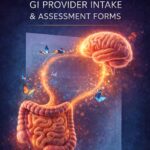
IBS is considered a disorder of gut–brain interaction, involving altered communication between the digestive system and the nervous system.
Common IBS Symptoms
IBS symptoms vary widely in type and severity. The most common symptoms include:
- Abdominal pain or cramping
- Bloating and abdominal distention
- Diarrhea, constipation, or alternating patterns
- Gas and flatulence
- Mucus in stool
- Urgency or incomplete bowel movements
Symptoms often fluctuate over time and may worsen during periods of stress or dietary changes.
Types of IBS
IBS is commonly classified into subtypes based on bowel habits:
- IBS-D: Predominantly diarrhea
- IBS-C: Predominantly constipation
- IBS-M: Mixed diarrhea and constipation
- IBS-U: Unclassified symptoms
Identifying the subtype helps guide dietary and treatment strategies.
What Causes IBS?
There is no single cause of IBS. Instead, it develops from a combination of factors that affect gut function and sensitivity.
1. Gut–Brain Axis Dysfunction
Disrupted communication between the brain and digestive tract can alter bowel motility and pain perception.
Learn more about this relationship in our guide to the gut–brain connection.
2. Altered Gut Microbiome
People with IBS often have differences in gut bacteria composition compared to those without IBS.
Research published through NCBI highlights the role of microbiome imbalance in IBS symptoms.
3. Increased Gut Sensitivity
The intestines of individuals with IBS may be more sensitive to gas, stretching, and normal digestive activity.
4. Post-Infectious IBS
Some people develop IBS after a gastrointestinal infection, known as post-infectious IBS.
5. Stress and Anxiety
Psychological stress can alter digestion and worsen IBS symptoms through the gut–brain axis.
IBS and Bloating
Bloating is one of the most distressing IBS symptoms. It may result from altered gut motility, gas handling, or microbial fermentation.
See our in-depth guide on foods for bloating to learn which foods may help reduce abdominal discomfort.
Diet and IBS
Diet plays a central role in managing IBS symptoms. While trigger foods vary by individual, many people benefit from structured dietary approaches.
The Mayo Clinic recommends individualized nutrition strategies.
Common Dietary Strategies
- Low-FODMAP diet
- Regular meal timing
- Reducing ultra-processed foods
- Prioritizing gut healthy foods
Dietary changes should be introduced gradually.
IBS and Mental Health
IBS frequently coexists with anxiety and depression. This does not mean IBS is “all in the head,” but rather that the gut and brain strongly influence each other.
The Harvard Health Publishing emphasizes stress management as part of IBS care.
Addressing mental well-being can significantly improve digestive symptoms.
How IBS Is Diagnosed
IBS is typically diagnosed based on symptom criteria, such as the Rome IV criteria, and by ruling out other conditions.
Diagnostic testing may include blood tests, stool studies, or imaging to exclude other causes.
When to See a Healthcare Provider
Seek medical evaluation if IBS-like symptoms are accompanied by:
- Unintentional weight loss
- Blood in stool
- Persistent vomiting
- Severe or nighttime symptoms
These may indicate conditions other than IBS.
Medical Disclaimer
This article is for educational purposes only and does not replace professional medical advice. Always consult a qualified healthcare provider for diagnosis or treatment.
Conclusion
IBS is a complex but manageable condition. By understanding IBS symptoms and causes, supporting digestive health, and addressing gut–brain interactions, many people can significantly improve quality of life.
Explore more evidence-based digestive health resources at The Greater Gut.